


15 Questions to Ask Before Purchasing Mountain Property
By United Country Real EstateJuly 15, 2026
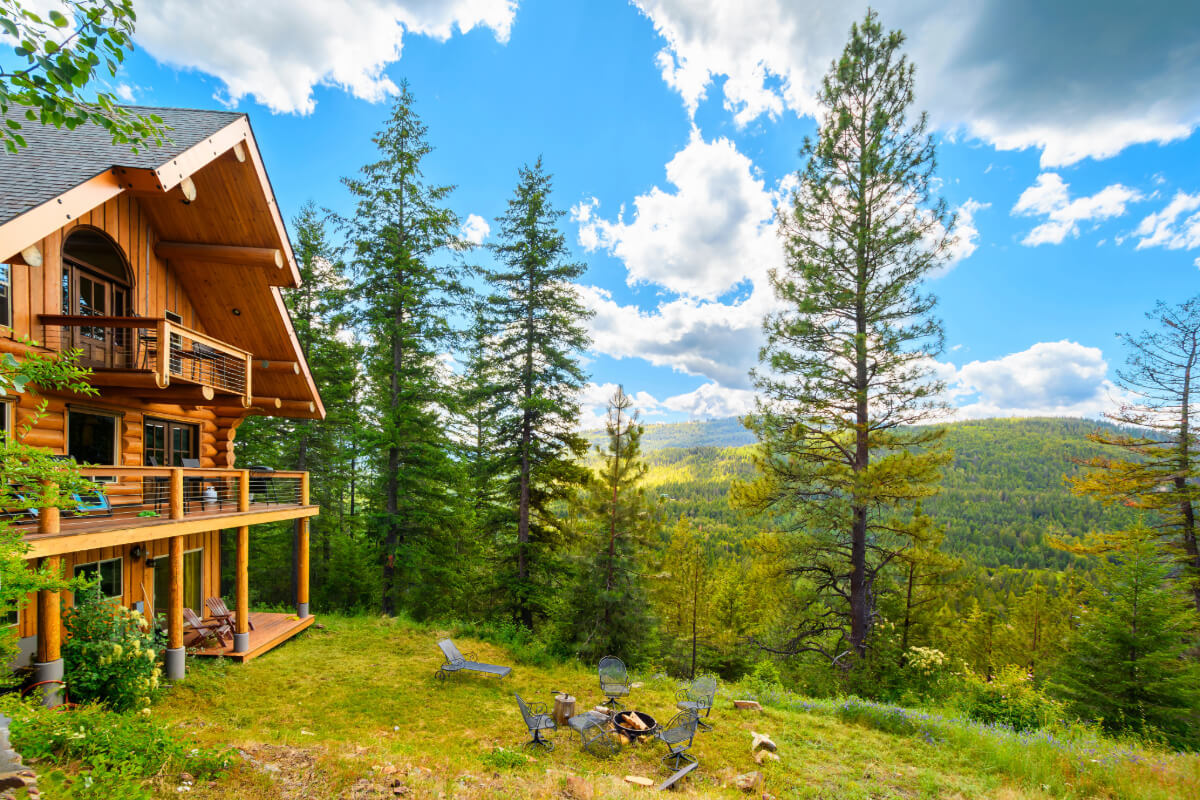
Get all your questions about mountain properties answered here before starting your real estate journey. Contact a UC mountain property expert today!
Mountain homes and mountain properties are a unique and
beautiful real estate type with many benefits, such as peaceful and private
living, world-class views, and a whole new perspective. But these properties
also have a few particularities that require a specialized approach in order to
achieve the best results. Before purchasing a mountain property, you should contact
a mountain real estate expert to help you navigate the sale with confidence
and ease.
1. How
to Evaluate a Mountain Property’s Value
Determining the value of mountain real
estate requires the assessment of several factors specific to each property. Buyers
should evaluate the location, views, acreage, utilities, water sources, recreational
opportunities, and the build-readiness of the property. Features like
year-round road access, established trails, reliable well systems, proximity to
outdoor recreation, and panoramic mountain views are desirable factors that
often increase the long-term value and salability of the property. Working with
a mountain real estate specialist can help you accurately assess the mountain property’s
value, comparable sales, and local market trends.
2. Are
Mountain Properties a Good Investment?
Mountain property can be a strong, long-term
investment due to limited, and somewhat competitive, inventory,
recreational opportunities, and consistent demand from vacation buyers,
retirees, and outdoor enthusiasts. Many mountain homes also offer income
potential through seasonal rentals through standard temporary-stay services
like Vrbo and Airbnb. While every mountain real estate market
is different, properties that feature easy access, scenic views, recreational
opportunities, and nearby amenities often increase in value over time. Buyers
should carefully evaluate local market conditions, maintenance costs, and
future development plans before purchasing.
3. Can
I Build a Home on My Mountain Property?
If you plan to build a home, it is important to
verify the buildability of the land before purchasing. Factors such as slopes,
soil conditions, drainage, septic sustainability, easements, utility access,
and local regulations can all impact where and how you can build. A land
survey, perc
test, and consultation with local planning officials can help determine
whether the property supports home building construction plans or any other
intended use.
4. Is
Buying Mountain Land Cheaper Than Buying a House?
Undeveloped mountain land for sale frequently has a
lower purchase price than a mountain property with an existing home. However,
buyers should also consider the costs of site preparation, road construction,
utilities, wells, septic systems, permits, and building materials and how those
future costs could affect the price. While vacant mountain land may provide
more flexibility and be bought at a lower rate, the total development costs can
increase the overall investment costs of the property.
5. What
Are the Best States to Buy a Mountain Home?
The best state to buy a mountain home depends mainly
on your goals, lifestyle, and budget, but states such as Montana, Colorado,
North
Carolina, Virginia,
Tennessee,
Georgia,
and
Wyoming are some of the best choices for mountain properties. These areas
are popular due to their mountain access, scenic landscapes, and outdoor
recreation opportunities. Buyers should consider climate, accessibility,
property taxes, development and recreational potential when choosing
a mountainous area to live in.
6. How
Much Does It Cost to Build a Cabin in the Mountains?
The cost of building a mountain
cabin can vary greatly based on the location, size, design, accessibility, and labor
required. Steep terrain, remote access, excavation needs, road construction,
and infrastructure installation can increase the costs. Buyers that are interested
in building should obtain local contractor estimates and evaluate site
development expenses before purchasing mountain land.
7. Are
There Any Zoning Restrictions When Buying Mountain Properties?
Zoning regulations vary significantly by county and region.
Some mountain properties may have restrictions related to the residential
density of the area, short-term rentals, building standards, environmental
protections, livestock, commercial activities, or subdivision potential. Before
purchasing mountain land, buyers should review local zoning ordinances and
speak with planning officials to ensure the property can be used as
intended.
8. What
Unique Maintenance is Required for Mountain Properties?
Mountain homes often require additional maintenance compared
to traditional residential properties. Snow removal, wildlife and erosion
control, road upkeep, tree management, roof inspection, and effective drainage are
common responsibilities that need to be routinely taken care of. After buying a
home in the mountains, go through your property and create a list to periodically
check to ensure proper home and land care.
9. Will
I Have Year-Round Road Access?
Not all mountain properties offer year-round access. Some
roads are maintained by counties while others are privately maintained by
landowners or homeowner associations. Before buying property in the mountains,
determine who maintains the roads, how winter snow removal is managed, and
whether emergency vehicles can access the property during severe weather.
Year-round accessibility can significantly impact both property value and
livability. If travel is critical for your everyday life, this should be one of
the first factors you consider when viewing mountain properties.
10.
Will I Have Reliable Utilities and Wi-Fi at my
Mountain Home?
Utility availability varies widely across mountain
regions. Many mountain properties utilize private wells, septic systems,
propane, generators, or alternative energy systems instead of municipal
services. Additionally, internet access may be provided by fiber, satellite
services, wireless broadband, or mobile hotspots depending on location. Confirm
available utility and internet speeds with your provider before closing on a
mountain property.
11.
Will Insurance Be Hard to Get for My Mountain
Property?
Insurance can sometimes be more challenging or
expensive for mountain homes, especially in areas where wildfires, severe
weather, or where emergency access is limited. Coverage and insurance premiums
vary by carrier and location as well. Buyers should get insurance quotes
early in the purchasing process and review any requirements related to fire
mitigation, defensible space, or property maintenance.
12.
How Do HOA’s Work on Mountain Properties?
Some mountain communities operate under homeowner
associations (HOAs) that establish rules regarding road maintenance, appearance
of property, community amenities, and services. HOA fees may help fund snow
removal, road repairs, security, common area maintenance, and recreational
facilities. Buyers should review HOA documents carefully to understand dues,
restrictions, and responsibilities before purchasing. Not all mountain areas
will be part of these homeowner associations, but communities that do often
operate much like residential HOAs.
13.
How Do Wells Work on Mountain Properties?
Many mountain properties, like most rural homes, rely on private wells
as their primary source of water. Wells draw groundwater from underground
aquifers and deliver water to the home through pumps and pressure systems.
Before purchasing mountain property, buyers should review the well inspection
reports, water quality tests, flow rates, and the record of previous
maintenance. Understanding the reliability and capacity of the water source is
an important part of mountain property due diligence.
14.
What Wildlife Should I Expect on a Mountain
Acreage?
The wildlife you should expect to see on your
mountain acreage changes from region to region, but mountain property owners
commonly see deer, elk, black bears, turkeys, foxes, coyotes, eagles, hawks,
and numerous smaller species around their homes. Some areas may also have
mountain lions, moose, bobcats, or other large mammals. The chance of a
wildlife encounter is one of the major draws of mountain living, but property
owners should take steps to secure trash, protect gardens, and responsibly
coexist with the local animal populations.
15.
How To Deter Mountain Lions from Your Property?
While mountain lions rarely pose a threat to humans,
this is a more common fear for potential mountain property buyers than most
would think. Property owners can prevent
unwanted encounters with mountain lions or other wildcats by keeping pets
supervised and livestock secure, installing effective outdoor lighting, remove
potential prey, and avoid leaving food outside. Maintaining clear views around the
home and outbuildings, as well as removing dense cover near living areas can
also deter wildlife from coming close to homes. Consult the local wildlife
agencies for region-based recommendations.
Related Articles
Deep
Dive into the Mountainous Regions of North America
Adjusting
to Higher Altitudes When Purchasing a Mountain Property
Sources: